4 min read
Best Treatment for Knee Pain Without Surgery: Complete Guide to Recovery
Discover the best non-surgical treatments for knee pain, including physiotherapy, lifestyle changes, and ACL tear management for faster recovery.
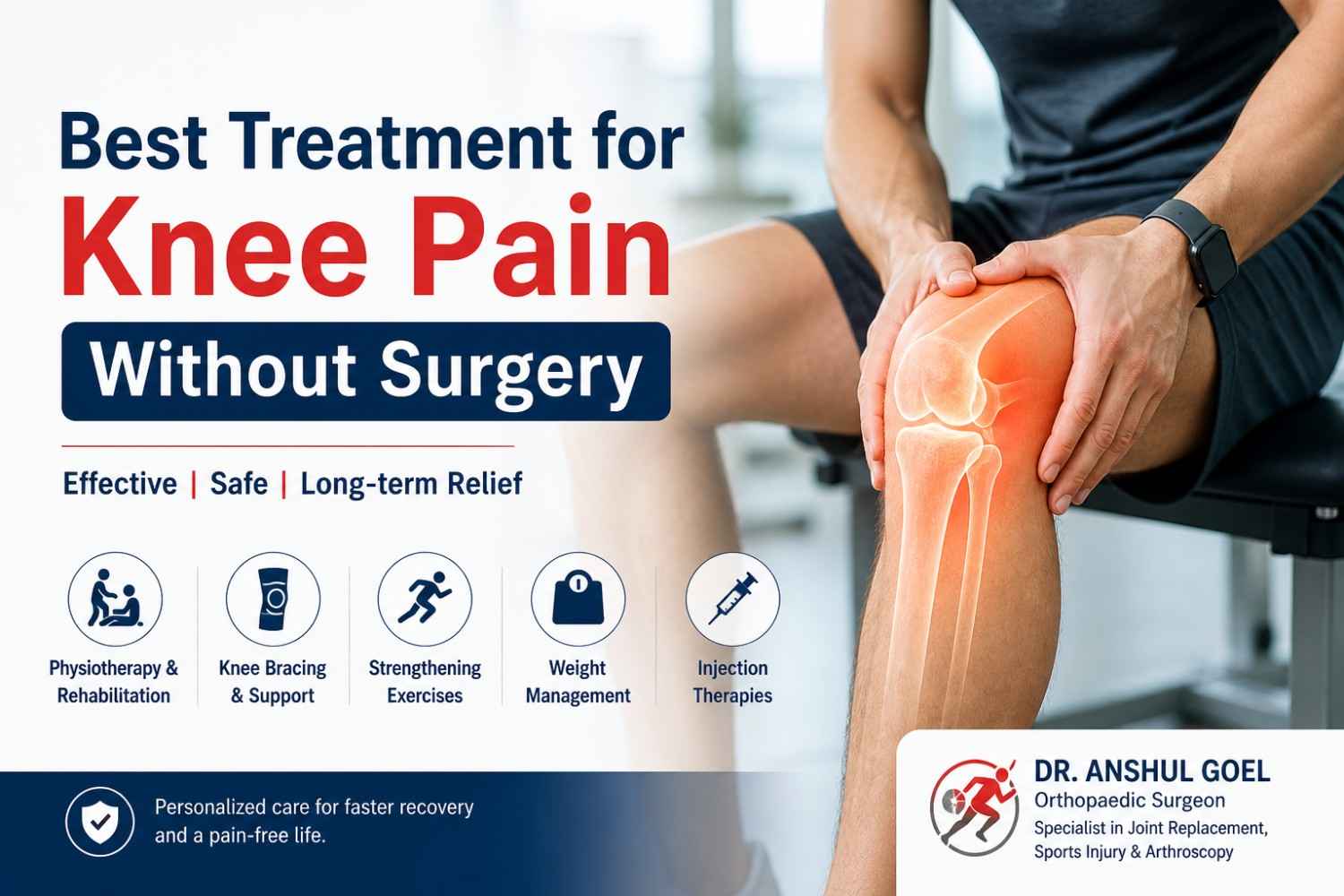
Best Treatment for Knee Pain Without Surgery: Complete Guide to Recovery
Knee pain is one of the most common orthopedic problems affecting people of all age groups. Whether caused by injury, overuse, or age-related degeneration, knee pain can significantly impact daily activities and quality of life. While surgery is often considered in severe cases, many patients can recover effectively with non-surgical treatments. If you want to understand what options are available, you can also explore our orthopaedic services page for a broader look at treatment choices.
If you are experiencing discomfort or early ACL injury symptoms, it is important to take timely action. Symptoms like swelling, instability, popping sensation, or difficulty walking can indicate ligament damage. However, not all cases require surgery. With the right ACL tear treatment, many patients can recover successfully without going under the knife. In cases where the ligament is severely damaged, a specialist may discuss ACL reconstruction surgery as a treatment option.
Common Causes of Knee Pain
Understanding the cause of knee pain is the first step toward effective treatment. Some common reasons include:
- Ligament injuries such as ACL tears
- Meniscus damage
- Overuse injuries from sports or physical activity
- Arthritis and age-related wear and tear
- Muscle imbalances or poor posture
Best Non-Surgical Treatments for Knee Pain
1. Physiotherapy and Rehabilitation
Physiotherapy is one of the most effective ways to treat knee pain without surgery. A structured rehabilitation program focuses on strengthening muscles around the knee, improving flexibility, and restoring mobility. This is especially useful for people recovering from sports-related injuries and ligament strain.
2. Medications and Pain Management
Doctors may prescribe anti-inflammatory medications to reduce pain and swelling. These medications provide short-term relief and help patients participate in physical therapy more effectively.
3. Activity Modification
Avoiding activities that put excessive stress on the knee is crucial. Low-impact exercises such as swimming or cycling are often recommended during recovery. Patients with recurring sports injuries should consider a proper evaluation through our sports injury treatment options.
4. Knee Bracing and Support
Knee braces provide stability and reduce strain on injured ligaments. They are especially helpful in managing ACL injury symptoms and preventing further damage.
5. Weight Management
Excess body weight increases pressure on the knee joint. Maintaining a healthy weight can significantly reduce pain and improve overall joint function.
6. Injection Therapies
In some cases, doctors may recommend injections such as corticosteroids or platelet-rich plasma (PRP) therapy. These treatments help reduce inflammation and promote healing.
When to See a Specialist
If your knee pain persists despite basic treatment, it is important to consult a specialist. A qualified sports injury doctor in Delhi can accurately diagnose the problem and recommend the best treatment plan. If you are not sure where to begin, the safest step is to book an appointment through our contact page.
Early diagnosis is especially important in cases of ligament injuries. Delaying treatment can worsen the condition and increase the chances of requiring surgery.
Can ACL Injuries Heal Without Surgery?
Not all ACL injuries require surgery. Partial tears and mild instability can often be managed with non-surgical methods such as physiotherapy, bracing, and activity modification.
However, complete tears or cases involving high physical activity levels may still require surgical intervention. A proper evaluation helps determine the most suitable approach, especially when the injury overlaps with meniscus damage or other internal knee problems.
When Meniscus Problems Need More Attention
A meniscus injury can also cause pain, swelling, locking, or catching in the knee. In mild cases, conservative treatment may help, but persistent mechanical symptoms should not be ignored. For advanced cases, your doctor may discuss meniscus repair surgery as part of a long-term recovery plan.
Recovery Timeline for Non-Surgical Treatment
Recovery depends on the severity of the condition and adherence to the treatment plan. Most patients start noticing improvement within a few weeks, while full recovery may take a few months.
- Mild injuries: 2–6 weeks
- Moderate injuries: 6–12 weeks
- Severe injuries: 3–6 months
Tips to Prevent Knee Pain
- Warm up before physical activity
- Strengthen leg muscles regularly
- Maintain proper posture during exercise
- Avoid sudden increases in activity levels
- Use proper footwear
Final Thoughts
Knee pain can be effectively managed without surgery in many cases. The key is early diagnosis, proper treatment, and consistent rehabilitation. Whether you are dealing with general knee discomfort or specific ACL injury symptoms, non-surgical approaches can provide long-lasting relief. If symptoms continue to worsen or do not improve, a specialist may recommend advanced options such as knee replacement surgery for severe joint damage or advanced arthritis.
If you are unsure about your condition, consult an experienced specialist for personalized guidance and the most effective ACL tear treatment.
Related Articles
Shoulder Pain at Night: Common Causes and When to See an Orthopedic Surgeon
Night shoulder pain can disrupt sleep and make everyday movement difficult.
Arthroscopic Knee Surgery: What It Treats and How It Differs From Open Surgery
Arthroscopic knee surgery has transformed recovery for many knee conditions. Here's what it actually involves and why it differs so much from traditional open surgery.
Meniscus Tear Symptoms: When Does a Knee Injury Need an MRI?
A twisting knee injury can affect the meniscus, a cartilage cushion inside the joint.