4 min read
Slipped Disc Treatment in Delhi: Symptoms, Causes, and Best Recovery Options
Learn about slipped disc treatment in Delhi, including symptoms, causes, non-surgical options, and when surgery may be required.
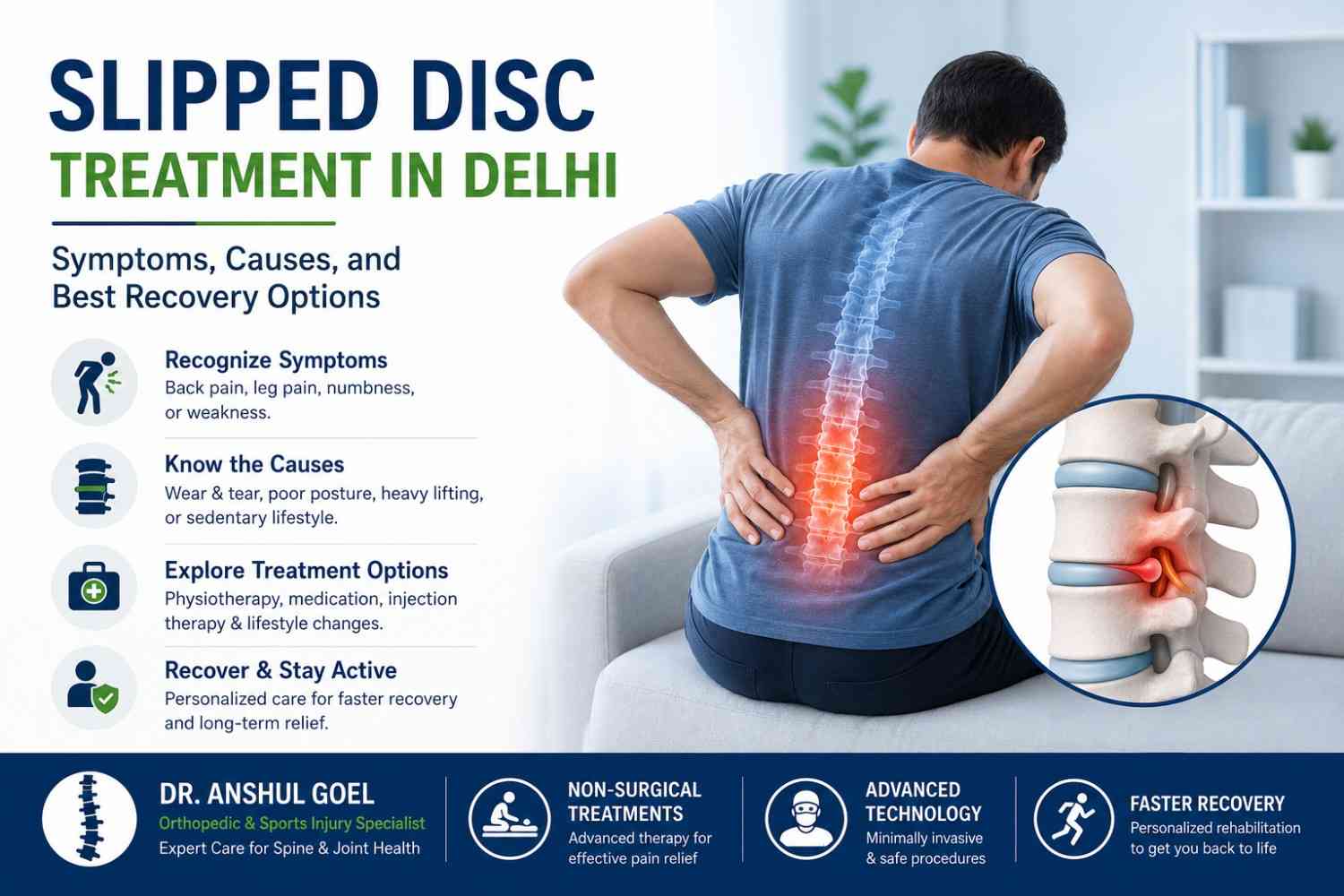
Slipped Disc Treatment in Delhi: Symptoms, Causes, and Best Recovery Options
Back pain is one of the most common health issues today, especially among people with sedentary lifestyles or physically demanding jobs. One of the major causes of severe back pain is a slipped disc, also known as a herniated or prolapsed disc. If left untreated, it can lead to nerve compression, chronic pain, and mobility problems. If you want to understand the broader treatment options available, you can also explore our spine treatment page for more details.
If you are searching for slipped disc treatment in Delhi, it is important to understand the condition, recognize early symptoms, and explore the right treatment options. Early diagnosis and proper care can help avoid complications and ensure faster recovery.
What Is a Slipped Disc?
The spine is made up of bones (vertebrae) separated by soft discs that act as cushions. These discs help absorb shock and allow smooth movement of the spine. A slipped disc occurs when the soft inner portion of the disc bulges out through the outer layer.
This bulge can press on nearby nerves, leading to pain, numbness, or weakness, especially in the back, legs, or arms depending on the location of the affected disc.
Common Causes of Slipped Disc
- Age-related wear and tear (disc degeneration)
- Sudden heavy lifting or incorrect posture
- Prolonged sitting or sedentary lifestyle
- Obesity and excess body weight
- Injury or trauma to the spine
- Weak core muscles
Symptoms of a Slipped Disc
Symptoms can vary depending on the severity and location of the disc. Common signs include:
- Lower back pain or neck pain
- Radiating pain down the legs (sciatica)
- Numbness or tingling sensation
- Muscle weakness
- Difficulty bending or moving
- Pain that worsens with movement or sitting
When to See a Doctor
You should consult a specialist if:
- Pain persists for more than a few days
- You experience numbness or weakness
- Pain spreads to legs or arms
- You have difficulty walking or standing
- There is no improvement with rest or medication
An experienced spine specialist or sports injury doctor in Delhi can diagnose the condition accurately using physical examination and imaging tests like MRI. If your pain is severe or recurring, it is better to book an appointment through our contact page rather than waiting for it to worsen.
Best Treatment Options for Slipped Disc
The right treatment depends on the severity of the condition. In most cases, non-surgical treatment is effective.
1. Physiotherapy
Physiotherapy is the most important part of recovery. It includes exercises to strengthen back muscles, improve flexibility, and reduce pressure on the spine.
2. Medications
Pain relievers and anti-inflammatory drugs help manage pain and swelling. Muscle relaxants may also be prescribed in some cases.
3. Lifestyle Changes
Maintaining proper posture, avoiding heavy lifting, and staying active can prevent worsening of symptoms.
4. Heat and Cold Therapy
Applying heat or ice packs can provide temporary relief from pain and inflammation.
5. Injection Therapy
In some cases, steroid injections may be used to reduce inflammation around the affected nerve.
When Surgery Is Required
Surgery is usually considered when non-surgical treatments fail or when there is severe nerve compression. Indications include:
- Severe or persistent pain
- Loss of bladder or bowel control (rare but serious)
- Progressive muscle weakness
- Significant impact on daily activities
Modern spine surgeries are minimally invasive and focus on relieving nerve pressure while preserving spinal function. In advanced cases, your specialist may discuss more specific procedures based on the disc problem and nerve compression pattern.
Recovery and Rehabilitation
Recovery time depends on the severity of the condition and treatment method. Most patients recover within a few weeks to months with proper care.
- Mild cases: 2–4 weeks
- Moderate cases: 4–8 weeks
- Post-surgery recovery: 2–3 months
Following a structured rehabilitation program is essential for long-term recovery and preventing recurrence. The goal is not just pain relief. It is restoring movement, strength, and confidence in daily activity.
Tips to Prevent Slipped Disc
- Maintain proper posture while sitting and standing
- Exercise regularly to strengthen core muscles
- Avoid lifting heavy weights incorrectly
- Take breaks during long sitting hours
- Maintain a healthy body weight
Final Thoughts
A slipped disc can significantly affect your quality of life if not treated on time. The good news is that most cases can be managed without surgery through proper treatment and lifestyle changes.
If you are experiencing persistent back pain or nerve-related symptoms, consult an experienced specialist for the best slipped disc treatment in Delhi and a personalized recovery plan. You can also review our spine treatment page for related care options.
Related Articles
Arthroscopic Knee Surgery: What It Treats and How It Differs From Open Surgery
Arthroscopic knee surgery has transformed recovery for many knee conditions. Here's what it actually involves and why it differs so much from traditional open surgery.
Meniscus Tear Symptoms: When Does a Knee Injury Need an MRI?
A twisting knee injury can affect the meniscus, a cartilage cushion inside the joint.
Total Hip Replacement vs Partial Hip Replacement: What's the Difference?
Total and partial hip replacement aren't interchangeable options for the same problem. Here's what actually distinguishes them and when each is used.