6 min read
ACL Graft Options: Hamstring vs Patellar vs Quad
ACL reconstruction can use different graft sources. Learn how hamstring, patellar tendon and quadriceps tendon grafts differ, what surgeons consider, and why selection depends on the knee and patient goals.
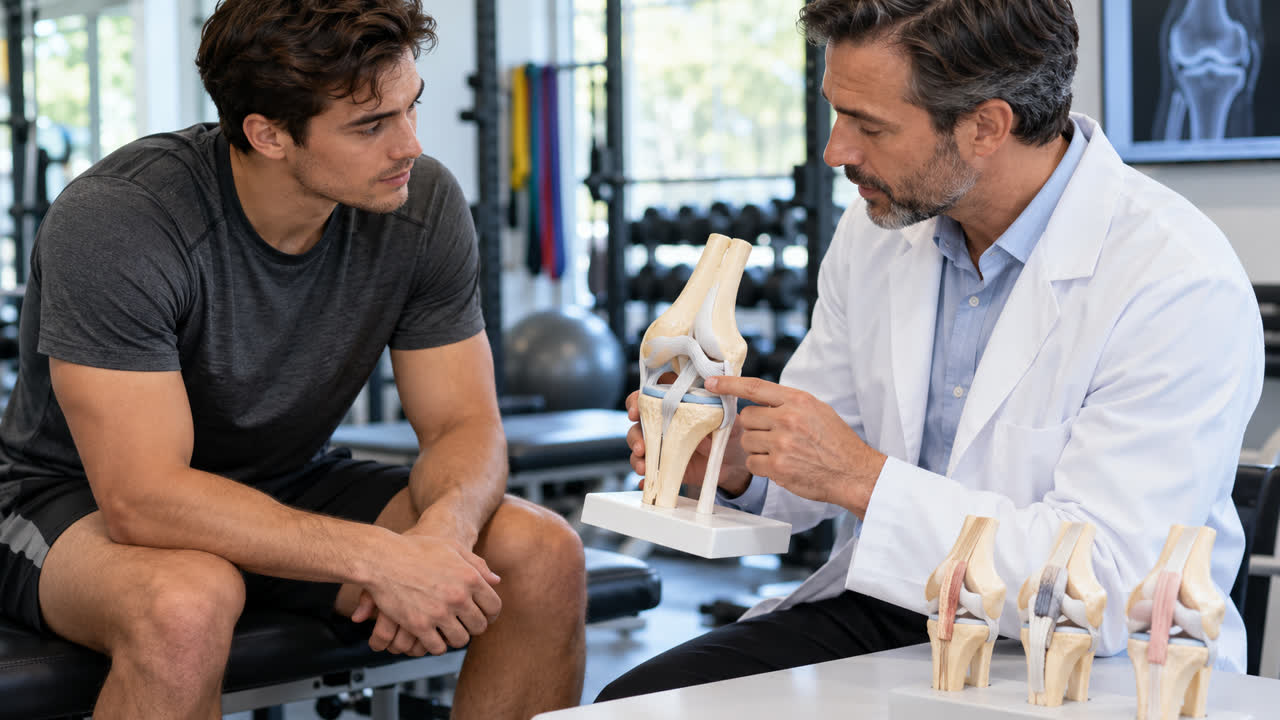
ACL Graft Options: Hamstring vs Patellar Tendon vs Quadriceps Tendon
When ACL reconstruction is considered, patients often ask which graft is best. Common choices include tissue from the hamstring tendons, patellar tendon, or quadriceps tendon. Each has potential advantages and trade-offs. There is no universal graft for every person. The surgeon considers knee anatomy, sports and work demands, prior surgery, associated injuries, examination findings and informed preferences.
What a graft does
The anterior cruciate ligament helps control forward movement and rotation of the knee. In reconstruction, the damaged ligament is replaced with a graft fixed inside bone tunnels and gradually incorporated as healing and rehabilitation progress. A graft is not an instant replacement with normal strength. Surgical technique, fixation, tissue healing, rehabilitation and return-to-sport decisions all affect the result. Graft choice is one part of a larger plan.
Hamstring tendon graft
A hamstring autograft uses tendon tissue from the inner thigh. It avoids taking tissue from the front of the knee and may be considered when kneeling discomfort is a concern. Trade-offs can include temporary hamstring weakness and the need to rebuild strength. The surgeon considers tendon size, anatomy, sport and whether hamstring function is especially important for the patient’s activity.
Patellar tendon graft
A bone-patellar tendon-bone graft uses the central patellar tendon with small bone blocks at each end. Some surgeons select it for particular high-demand situations because of fixation characteristics. The harvest site can cause anterior knee pain or kneeling discomfort in some patients. Existing tendon problems, occupation, sport, anatomy and preferences influence suitability. It is not automatically superior for every athlete.
Quadriceps tendon graft
A quadriceps tendon graft is taken from above the kneecap, with or without a small bone block. It is an established option in selected primary or revision cases. The donor site can feel weak or sore early, and quadriceps strength must be restored carefully. The surgeon considers tissue quality, prior incisions, body build, sport demands and experience with the technique.
Autograft and allograft
An autograft uses the patient’s tissue. An allograft uses donor tissue. The decision depends on age, activity, revision status, medical context, availability and practice. Donor tissue can avoid tendon harvest, but suitability varies and its risks and benefits need discussion. Ask about incorporation, graft failure risk in your context, processing and what evidence applies to your age and activity.
How surgeons select
Selection is individual. The surgeon reviews examination, imaging, activity, goals, age, prior surgery, associated meniscus or cartilage injury, kneeling demands and tissue quality. Alignment, knee stability and additional procedures can influence planning. A useful discussion includes the recommendation, reasonable alternatives, expected rehabilitation, possible donor-site symptoms and what would make one choice less appropriate.
Rehabilitation and return to sport
Rehabilitation restores swelling control, knee extension, quadriceps activation, range of motion, strength, balance and sport-specific movement in stages. Progress is based on function and clinical review, not only elapsed time. Return to pivoting sport generally requires assessment of strength, hopping, movement quality, confidence and readiness. Rushing because pain improved can expose the graft and knee to avoidable risk.
Questions before surgery
Ask why a graft is recommended for your knee and goals, what donor-site effects are possible, how associated injuries will be treated, and what rehabilitation involves. Clarify who supervises physiotherapy and which criteria guide return to sport or heavy work. Bring prior scans and operative records if this is revision surgery or you have had previous knee surgery.
Frequently Asked Questions
Which ACL graft is strongest?
“Strongest” alone does not determine the best choice. Outcomes depend on patient factors, technique, healing and rehabilitation. Ask the surgeon to explain trade-offs for your goals.
Is hamstring or patellar tendon better?
Neither is best for everyone. Patellar harvest may be associated with kneeling discomfort, while hamstring harvest can affect hamstring strength. Discuss suitability with the surgeon.
Can quadriceps tendon be used?
Yes. It is an established option in selected cases. The decision depends on anatomy, activity, prior surgery and surgeon assessment.
How long before returning to sport?
Return depends on healing, strength, movement quality, confidence and sport demands. A calendar alone is not enough; use clinical and functional criteria.
Does every ACL tear need surgery?
No. Some people do well with rehabilitation and activity modification; others with instability or high-demand goals may discuss reconstruction.
Will graft choice change rehabilitation?
The broad goals are similar, but donor-site symptoms and strength recovery can differ. The team tailors progression to the operation and response.
Can donor tissue be used?
Donor tissue is an option in selected situations. Suitability depends on patient and procedure, and the surgeon should explain benefits and risks.
Does a graft immediately act like a normal ligament?
No. The graft requires biological healing and rehabilitation. Protecting the knee and following the staged plan are important.
Can I choose the graft?
Patients should take part in the decision. The surgeon explains appropriate options and considers preferences and activity needs.
What should I share at consultation?
Discuss sport and work, kneeling needs, prior surgery, other injuries, medical conditions and recovery goals. These details guide selection.
Further reading
ACL injury symptoms | ACL care without surgery | orthopedic services
This article is for general education and does not replace an individual clinical assessment. Seek urgent care for severe or rapidly worsening symptoms. Testing and treatment decisions should be made with a qualified professional who knows the patient’s history.
How activity and personal goals influence graft choice
The same graft question can have different answers for two patients because the stresses placed on the knee differ. A person whose work requires frequent kneeling may place particular importance on front-of-knee comfort. A field-sport athlete may discuss cutting and pivoting demands, while a recreational cyclist may prioritise a different set of activities. Prior hamstring or patellar tendon injury, previous surgery, ligament laxity and associated meniscus damage can also change the discussion. These details help the surgeon explain why one graft is being recommended for an individual rather than naming a universal winner.
It is useful to ask what the surgeon expects during the first weeks of recovery, which donor area may feel sore, and how the rehabilitation team will measure strength. Ask how the graft affects the surgical plan and what limitations may apply while it heals. If work, caregiving or travel affects access to physiotherapy, mention that before surgery so the plan is realistic. Understanding the likely rehabilitation demands can help patients prepare the home and arrange support without making promises about a particular return date.
Graft selection is only one part of ACL care. The decision to have reconstruction depends on instability, activity goals, associated injuries and response to rehabilitation. Some patients can manage without surgery, while others may continue to experience episodes of giving way. The orthopaedic assessment should explain the expected benefits, risks and alternatives in plain language. Review our pages on ACL injury symptoms and non-surgical care before making an individual decision.
How to prepare for the shared decision
Write down the activities you hope to return to, tasks at work that stress the knee, and any concern about kneeling or donor-site discomfort. Bring prior operation notes, scan reports and details of earlier tendon injuries. Ask the surgeon to explain the recommended graft in relation to these factors, what alternatives remain reasonable, and how the decision could change if an associated injury is found. Understanding the reasoning is more helpful than comparing isolated success rates from different studies, because study populations and rehabilitation protocols may not match your circumstances.
Related Articles
Knee Replacement Infection: Early Warning Signs and When to Contact Your Surgeon
Learn the early and late warning signs of infection after knee replacement, when to contact the surgical team, and why prompt assessment matters.
घुटने में बार-बार सूजन या पानी क्यों भरता है? कब Orthopedic Doctor को दिखाएं?
घुटने में बार-बार सूजन, पानी भरने और जकड़न के सामान्य कारण समझें। जानें कब घर पर देखभाल ठीक है और किन संकेतों में तुरंत डॉक्टर को दिखाना चाहिए।
Partial vs Total Knee Replacement: Who Is a Good Candidate?
Understand how partial and total knee replacement differ, which findings affect candidacy, and why the final decision requires symptoms, examination and imaging together.