7 min read
ACL Tear With Meniscus Injury: Surgery Options
An ACL tear and a meniscus tear often appear together on a knee MRI. That can sound like two separate operations, but many patients can have the injuries assessed and treated during the same surgical procedure when surgery is appropriate. T
ACL Tear With Meniscus Injury: Surgery Options
An ACL tear and a meniscus tear often appear together on a knee MRI. That can sound like two separate operations, but many patients can have the injuries assessed and treated during the same surgical procedure when surgery is appropriate. The important qualification is that not every ACL injury requires reconstruction, not every meniscus tear can be repaired, and a scan alone cannot decide the best plan. Your symptoms, examination, activity goals, tear pattern, and the condition of the knee all matter.
This guide explains how the anterior cruciate ligament and meniscus differ, why combined injuries change decisions, when a surgeon may repair the meniscus during ACL reconstruction, and what questions to ask about recovery. It is general patient education. An orthopaedic surgeon must examine your knee and review the images before advising treatment.
Why these two structures are injured together
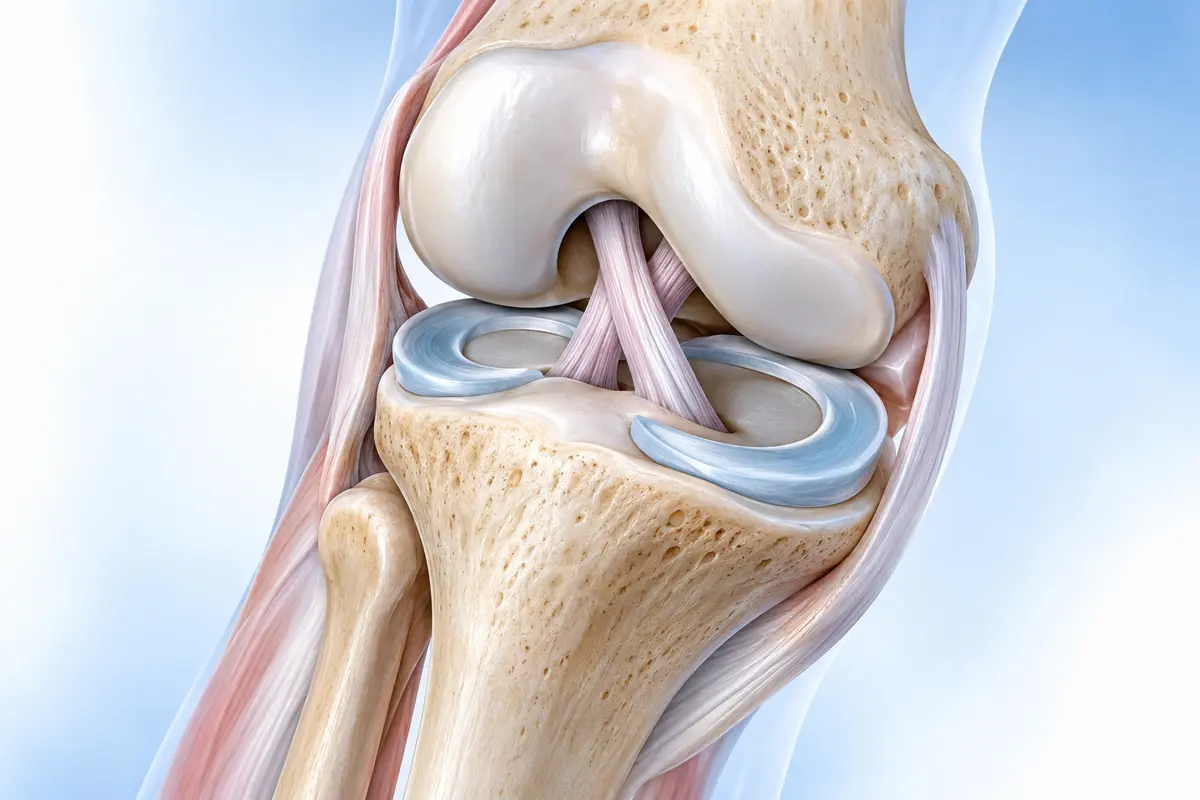
The ACL is a central ligament that helps control forward movement and rotation of the shin relative to the thigh. The menisci are two crescent-shaped pieces of fibrocartilage that help distribute load and contribute to joint stability. A twisting injury while changing direction, landing, or falling can damage the ACL and one or both menisci at the same time.
An ACL injury may cause a pop, rapid swelling, a sense that the knee gives way, and difficulty continuing sport. A meniscus injury may cause pain along the joint line, catching, swelling, or limited motion. These symptoms overlap. Some people walk after the injury and assume the damage is minor. Others have a dramatic-looking MRI but symptoms that improve with rehabilitation. Neither pattern alone tells you which operation, if any, is required.
The first steps are a history, clinical examination, and appropriate imaging. Your surgeon will ask whether the knee is unstable, whether it locks, whether you can fully straighten it, and what activities you want to return to. Our guide to meniscus symptoms and when MRI helps explains why the report must be read alongside the clinical picture.
Can both injuries be treated in one operation?
Often, yes. When ACL reconstruction is indicated and a meniscus tear is repairable, surgeons commonly address both during the same arthroscopic operation. The meniscus is assessed directly, then repaired if its location and tissue quality offer a reasonable chance of healing. If repair is not feasible, the surgeon may leave a stable tear alone or remove only the unstable portion when necessary. The specific choice depends on what is seen inside the knee, not just the wording of the MRI report.
The American Academy of Orthopaedic Surgeons notes that associated meniscus and cartilage injuries are commonly treated alongside ACL surgery when appropriate. This approach can avoid a second planned operation and may help restore stability while protecting meniscal tissue. It is not a promise that every combined injury is suitable for simultaneous surgery. A stiff, very swollen knee may first need rehabilitation to restore movement. A locked knee or other urgent concern may change timing. Your surgeon will balance these factors.
If ACL reconstruction is not the right choice for you, the meniscus still needs its own assessment. Some tears settle with a structured nonoperative programme; certain displaced tears may need a procedure even if ACL treatment is being considered separately. Our article on when an ACL tear may be managed without surgery describes the considerations for lower-demand activities and stable knees.
Meniscus repair versus trimming
Preserving healthy meniscus tissue is an important goal because the meniscus helps spread force across the joint. A repair uses sutures or fixation devices to hold a tear together while it heals. Repair is more likely to be considered for tears with a favorable pattern and blood supply, and for patients whose tissue quality and activity goals support it. A tear near the outer edge generally has a better healing environment than one deep in the central area.
Partial meniscectomy removes an unstable fragment when it cannot reasonably be repaired. It can relieve mechanical symptoms, but removing tissue changes load distribution. That is why surgeons usually try to preserve as much functional meniscus as possible. “Repair” is not automatically best for every tear, however. A repair that has little chance of healing can leave ongoing symptoms and may require another procedure. The decision involves tear shape, size, location, chronicity, tissue condition, and the stability provided by the ACL plan.
Ask your surgeon what the MRI suggests, what options may change during arthroscopy, and how each option affects rehabilitation. A clear discussion should include the possibility that a final decision is made only after the tear is inspected directly.
Does the ACL graft choice affect the plan?
ACL reconstruction replaces the torn ligament with a graft. Common autograft sources include hamstring, patellar tendon, and quadriceps tendon. The right choice depends on age, sport, activity level, prior operations, anatomy, and surgeon experience. It also intersects with rehabilitation because graft-harvest discomfort and muscle recovery can differ.
Our comparison of ACL graft options covers those trade-offs. Do not assume a particular graft is mandatory because a meniscus tear is present. The combined operation is planned as a whole, but the meniscus and graft decisions answer different questions. Your surgeon should explain why the proposed graft fits your situation.
The timing of surgery matters too. The knee should ideally have swelling controlled and motion restored as much as possible before elective reconstruction, while prolonged instability can expose the meniscus to further injury. There is no single calendar date suitable for everyone. Acute locked knees and multiligament injuries need their own assessment rather than a generic wait-and-see plan.
Why recovery may differ from an isolated ACL reconstruction
If the meniscus is repaired, the surgeon may limit weight bearing, knee bending, or certain movements for a period to protect healing. Those instructions vary by tear pattern and repair technique. If only a small unstable piece is trimmed, early rehabilitation may differ. Therefore a friend's ACL recovery timeline may be irrelevant to your combined injury.
Rehabilitation usually progresses through swelling control, restoring extension and flexion, improving gait, rebuilding quadriceps and hip strength, then gradually returning to running, cutting, and sport-specific tasks when appropriate. Progress is judged by function and clinical criteria, not simply by the number of months since surgery. Rushing back after pain improves can still expose the knee to reinjury.
Ask for a written rehabilitation protocol that names any meniscus-specific restrictions. Tell your physiotherapist exactly what was done during surgery. If you develop worsening swelling, fever, increasing calf pain, new numbness, or a knee that becomes suddenly much harder to move, contact your treating team promptly. Rehabilitation should challenge the knee progressively without ignoring warning signs.
Questions worth asking before deciding
Is the ACL tear complete, and does the knee demonstrate functional instability? What meniscus tear pattern is visible, and is repair likely? Could the plan change after arthroscopy? What are the advantages and limitations of surgery versus structured rehabilitation in my case? Would a repaired meniscus change how long I use crutches or restrict bending? What milestones will determine return to work, walking, and sport?
These questions help turn a complex MRI report into a shared decision. The goal is not simply to “fix everything” in one sitting. It is to restore useful stability, preserve tissue when possible, and choose a recovery plan that fits the injury and the person.
Frequently asked questions
Is an ACL tear with a meniscus tear always an emergency?
No. Many combined injuries need timely specialist assessment but are not emergency operations. A truly locked knee, severe inability to bear weight, suspected fracture, neurovascular symptoms, or rapidly worsening symptoms should be assessed urgently.
Can a meniscus tear heal while I do ACL rehabilitation?
Some tears become less symptomatic, and some may heal depending on their pattern and location. Others remain unstable. A surgeon can assess whether observation is reasonable and whether repeated giving-way could threaten the meniscus.
Is meniscus repair always possible during ACL surgery?
No. Repair depends on tear location, pattern, tissue quality, and other findings. A surgeon may repair, leave a stable tear, or remove an unstable portion when necessary.
Will recovery take longer if the meniscus is repaired?
It can. Repair may require temporary restrictions on loading or bending that an isolated ACL reconstruction does not. The exact protocol is individualized, so follow the operating surgeon's instructions.
Does an MRI alone decide whether I need surgery?
No. MRI is helpful, but symptoms, examination, instability, goals, and response to rehabilitation matter. Review the report and images with an orthopaedic specialist.
Sources and medical note
This article is informed by the AAOS ACL injury patient decision aid. It is educational information and not a diagnosis, surgical recommendation, or guarantee of outcome. Seek individualized advice from a qualified orthopaedic surgeon.
Related Articles
बच्चों में Knock Knees: कब इलाज जरूरी है?
बच्चों में knock knees कब सामान्य हैं और दर्द, असमानता या बढ़ती समस्या होने पर कब ऑर्थोपेडिक जांच कराएं।
Hip Osteonecrosis: Signs and Treatment Options
Early signs of hip osteonecrosis, why MRI can matter and when joint-preserving care or replacement is considered.
Fracture महीनों बाद भी न जुड़े तो क्या करें?
Fracture कई महीनों बाद भी न जुड़ने पर delayed union और non-union का अंतर, जांच और संभावित उपचार समझें।