6 min read
Pain on the Outside of the Knee
Pain along the outer edge of the knee can appear during a run, after a twist, or even during ordinary walking. Its location gives a useful clue, but it is not a diagnosis. The outer side contains the iliotibial band, lat
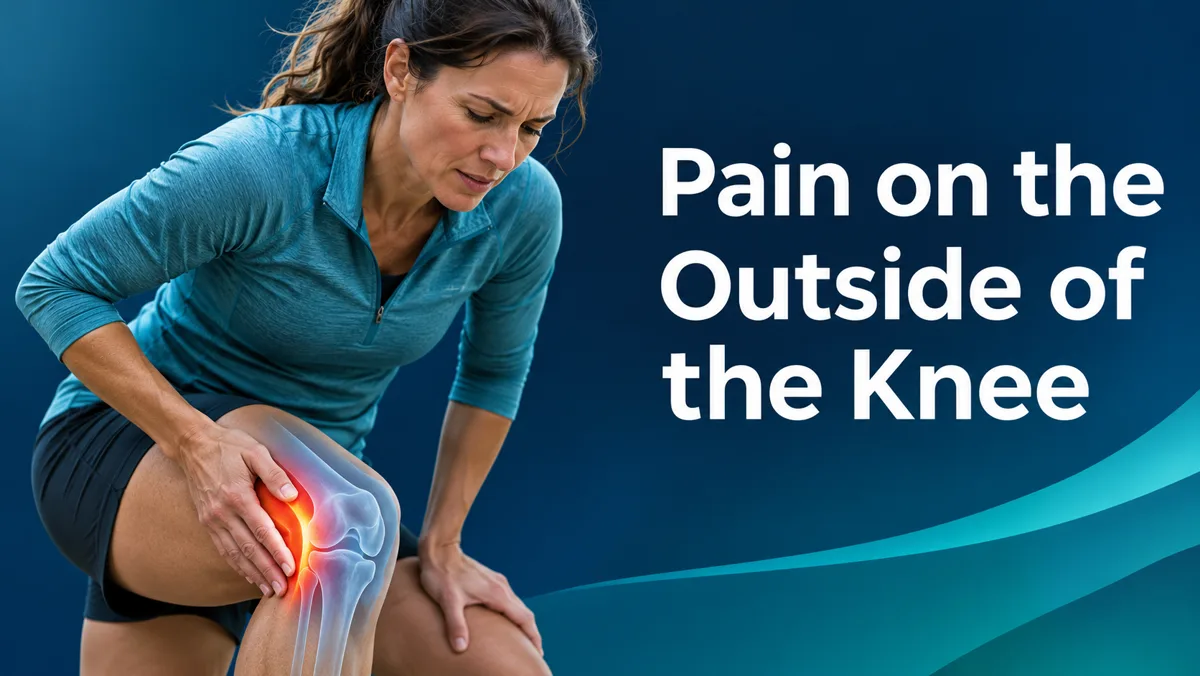
Pain on the Outside of the Knee
Pain along the outer edge of the knee can appear during a run, after a twist, or even during ordinary walking. Its location gives a useful clue, but it is not a diagnosis. The outer side contains the iliotibial band, lateral meniscus, lateral collateral ligament, joint surface and nearby nerves and tendons. The way symptoms began, whether the knee swells or catches, and whether you can bear weight help an orthopedic clinician decide what is most likely.
Where exactly is the pain?
Try to identify the most painful spot with one finger. Pain just above the outer knee during repeated bending may fit iliotibial band irritation. Pain directly along the joint line after a twist may raise the question of a lateral meniscus injury. Pain after a direct blow or sideways force may involve a ligament or bone. Pain behind the outer knee can come from other structures. This exercise helps you describe symptoms; it cannot replace an examination.
Also note whether pain is sharp, aching or burning, and whether there is numbness, locking, giving way or swelling. A knee that is truly locked and cannot fully straighten needs a different assessment from discomfort that appears only after several kilometres of running. If the pain followed an injury, record what happened and whether you could continue. A clear history often tells the clinician more than a generic description of “knee pain.”
Iliotibial band syndrome in runners
The iliotibial band is a strong band of connective tissue running down the outer thigh. Irritation near the knee is a common overuse problem in runners and cyclists. The American Academy of Orthopaedic Surgeons describes pain on the outside of the knee that can be related to repetitive activity. A recent increase in training volume, hills or a change in routine may be relevant. However, not every runner with lateral knee pain has this syndrome.
Initial management often includes reducing the activity that provokes pain, assessing training changes and working on strength and movement control. Rest alone does not correct every contributing factor. A physiotherapist may examine hip and leg strength and guide a gradual return. The running injuries prevention guide discusses training habits more broadly; this article focuses on the outer-knee symptom and its possible causes.
What about a lateral meniscus tear?
The meniscus helps distribute load in the knee. A twist during sport can injure it, but degenerative changes may also cause symptoms without a memorable event. Joint-line tenderness, swelling, catching or a feeling that the knee will not move normally can increase suspicion. These signs are not specific. A person can have a meniscus change on MRI that is not the main source of pain, so the scan must be matched to examination and symptoms.
Our meniscus symptoms and MRI guide covers when imaging may add value. If a tear is found, treatment depends on its pattern, location, symptoms and other joint findings. Surgery is not automatic. The meniscus repair versus meniscectomy article explains why tissue preservation matters when a procedure is considered.
Ligament, cartilage and bone causes
The lateral collateral ligament supports the outer side of the knee. It can be injured by a force that pushes the knee outward or other trauma. More complex injuries can involve the posterolateral corner and may produce instability. Cartilage problems and osteoarthritis can also cause pain around the outer compartment, often with stiffness or activity-related discomfort. A bone injury or fracture is more likely after significant trauma, although the precise pattern varies.
The clinician may check gait, swelling, range of motion, ligament stability and tenderness. Weight-bearing X-rays can be useful for joint space and alignment in some cases. MRI is reserved for questions it can answer, such as suspected soft-tissue injury or unexplained persistent symptoms. Having pain on the outer side does not mean you need every scan immediately. It means the clinical question should be clear before selecting one.
What can you do in the first few days?
If there is no major injury and you can walk, reduce painful loading and avoid testing the knee repeatedly with runs or jumps. Gentle movement within comfort may help prevent stiffness. Ice wrapped in a cloth can provide short-term comfort. Medication choices depend on your health history, so ask a clinician if you have kidney disease, stomach ulcers, blood thinners or other risks. Do not conceal severe symptoms with pain medicine and continue high-impact activity.
If the knee is unstable, very swollen, deformed, hot and red, or you cannot bear weight, seek urgent assessment. Fever with a swollen joint is particularly important. New numbness, a cold foot or severe pain after trauma also warrants urgent care. A fall in an older adult may require evaluation even if swelling is modest. Early advice can prevent further injury and identify conditions needing prompt treatment.
When should you see an orthopedist?
Book a review if the pain lasts more than a short period despite reducing load, recurs each time you return to activity, causes a limp, or comes with catching or instability. Bring a timeline of training changes, injury details and any previous scans. The clinician can decide whether the likely cause is overuse, a meniscus injury, ligament problem, joint degeneration or something else. The treatment plan should match the cause and your activity goals.
Some people worry that lateral knee pain means a knee replacement is inevitable. Most isolated outer-knee pain does not lead directly to that decision. Initial care may include rehabilitation, footwear or training changes, and management of underlying joint conditions. Procedures are considered only when a specific structural problem and the person's symptoms justify them. A diagnosis is the starting point, not a promise of one treatment.
If you have had a previous knee operation, tell the clinician which procedure was done and when. Old operative notes and scans can help distinguish a new injury from a known finding. If pain appears only during one sport, describe the movement, surface, footwear and point in the session when it begins. These details make a targeted rehabilitation plan more useful than a generic instruction to stop all activity.
Frequently asked questions
Is outside knee pain always IT band syndrome?
No. It is one common cause in runners, but meniscus, ligament, cartilage and bone problems can produce similar pain. History and examination help distinguish them.
Do I need an MRI?
Not everyone does. Imaging is useful when the result will change care, such as a suspected internal injury or persistent unexplained symptoms. An examination should guide that decision.
Can I keep running if the pain warms up?
Pain that eases temporarily can still worsen with repeated loading. Reduce activity if it causes a limp or increasing pain, and seek assessment if symptoms recur.
What if my knee clicks but does not hurt much?
Clicks alone are common and not always serious. New painful catching, swelling, locking or instability deserves review, especially after an injury.
When is outside knee pain an emergency?
Seek urgent care for inability to bear weight after injury, deformity, major swelling, fever with a hot joint, a cold or numb foot, or severe worsening pain.
Sources: AAOS on iliotibial band syndrome and review of lateral knee pain causes.
This article is educational, not a diagnosis. For persistent symptoms, contact Dr Anshul Goel.
Related Articles
Heel Pain in the Morning
The first few steps after getting out of bed can be sharply painful when the tissues around the heel are irritated. The pain may ease after you move, then return after a long period of standing or sitting. Plantar fascii
Knee Pain Sitting Cross-Legged
Knee pain when sitting cross-legged can have several causes. Learn which symptoms matter, when to change position and when to see an orthopedist.
Knee Buckling Without Pain: Causes and Next Steps
Knee giving way without pain can have several causes. Learn the warning signs, possible tests and when to seek an orthopaedic review.